📋 TL;DR — Quick Summary Crypto casinos in 2026 offer faster payouts, lower fees, and transparent gameplay compared to traditional online casinos. Top platforms accept Bitcoin (BTC), Ethereum (ETH), and dozens of other cryptocurrencies. Provably fair technology lets you verify every game result on the blockchain. Regulations are tightening globally, but licensed crypto casinos remain the safest choice for beginners. This guide covers everything you need — from choosing a platform and making your first deposit to understanding blockchain transparency and what trends will define crypto gambling through 2026 and beyond.
What Exactly Is a Crypto Casino and How Does It Work?
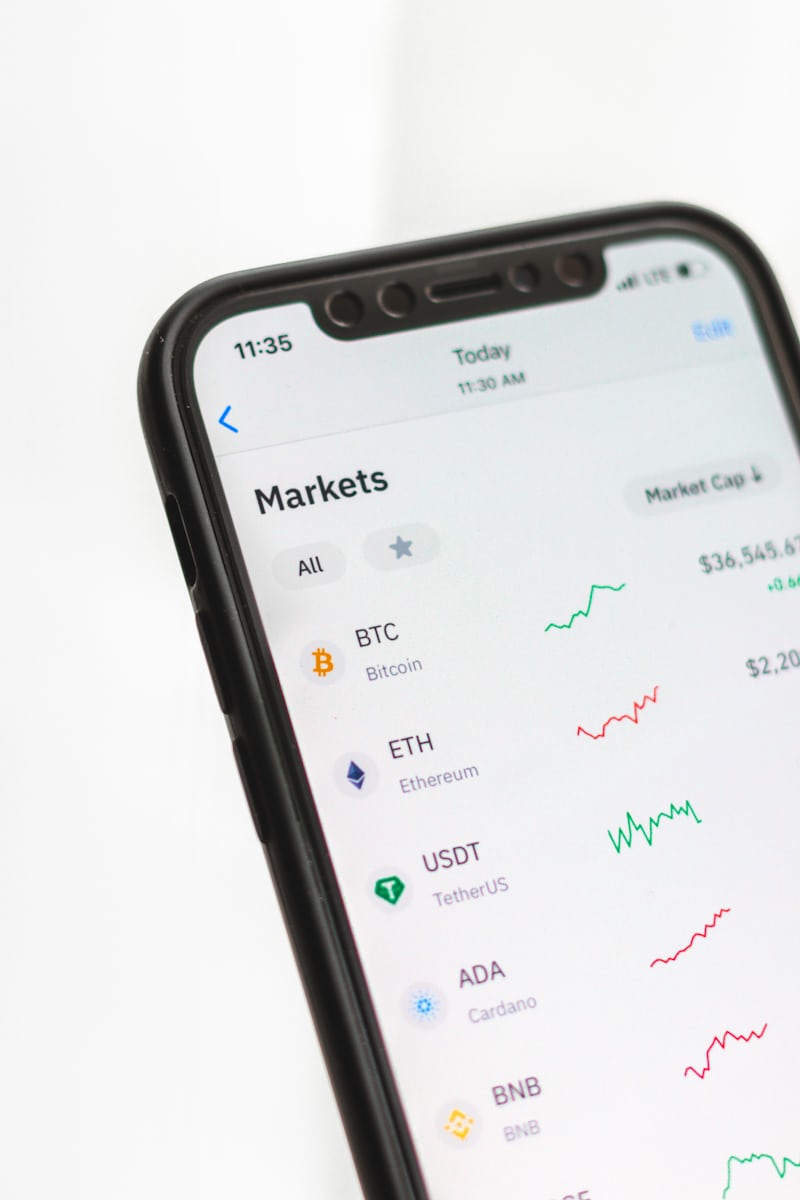
A crypto casino is an online gambling platform that accepts cryptocurrencies — such as Bitcoin, Ethereum, Litecoin, or stablecoins — as its primary or only payment method. Unlike traditional online casinos that rely on banks and credit cards, crypto casinos process deposits and withdrawals directly on the blockchain, cutting out middlemen and dramatically reducing fees and wait times.
The mechanics are straightforward: you create an account, connect or import a crypto wallet, deposit your chosen cryptocurrency, and start playing. Your balance is displayed in crypto units (or its fiat equivalent), and winnings are paid directly back to your wallet — sometimes within minutes.
Why Beginners Are Choosing Crypto Casinos in 2026
According to a 2025 Statista report, the global online gambling market is projected to exceed $145 billion by 2026, with cryptocurrency-based platforms accounting for approximately 23% of total volume — up from just 9% in 2021. That explosive growth is fueled by three core advantages beginners immediately notice:
- Speed: Crypto withdrawals typically settle in 10–60 minutes vs. 3–5 business days for bank transfers.
- Privacy: Many platforms require only an email address — no bank statements or ID scans in many jurisdictions.
- Fairness: Provably fair technology (explained later) lets you independently verify every dice roll, card shuffle, or slot spin.
Which Crypto Casinos Are Ranked Best for Security and Game Variety in 2026?
Not all crypto casinos are created equal. Security, licensing, game selection, and payout speed vary enormously. Below is our expert-curated comparison of top-tier platforms evaluated on the criteria that matter most to beginners.
| Platform | License | Accepted Cryptos | Game Count | Avg. Withdrawal Time | Security Rating |
|---|---|---|---|---|---|
| Stake.com | Curaçao eGaming | BTC, ETH, LTC, XRP, USDT + 12 more | 3,000+ | ~15 minutes | ⭐⭐⭐⭐⭐ |
| Cloudbet | Curaçao | BTC, ETH, BCH, USDT + 8 more | 2,500+ | ~20 minutes | ⭐⭐⭐⭐⭐ |
| BC.Game | Curaçao | BTC, ETH, DOGE, BNB + 60+ more | 8,000+ | ~10 minutes | ⭐⭐⭐⭐½ |
| Bitcasino.io | Malta (MGA) | BTC, ETH, LTC, XRP, USDT | 4,000+ | ~30 minutes | ⭐⭐⭐⭐⭐ |
| mBit Casino | Curaçao | BTC, ETH, LTC, BCH, DOGE | 2,000+ | ~25 minutes | ⭐⭐⭐⭐ |
What Makes a Crypto Casino "Secure" for Beginners?
Security in crypto gambling goes beyond just having a license. When evaluating a platform, look for these five non-negotiable features:
- SSL/TLS encryption — All data transmitted between you and the casino must be encrypted (look for the padlock icon in your browser).
- Two-factor authentication (2FA) — Available on all reputable platforms; protects your account even if your password is compromised.
- Cold wallet storage — At least 95% of player funds should be stored offline in hardware wallets, not in hot wallets exposed to the internet.
- Provably fair certification — A blockchain-verifiable system proving games aren't rigged (more on this in Section 4).
- Legitimate licensing — Malta Gaming Authority (MGA) and UK Gambling Commission are the gold standard; Curaçao eGaming is acceptable but less rigorous.
How Do You Deposit and Withdraw Using Bitcoin and Ethereum?
Making your first crypto deposit might sound intimidating, but it's actually simpler than setting up a traditional bank transfer. Here's your step-by-step breakdown:
Step-by-Step: Your First Bitcoin Deposit
- Get a crypto wallet. Download a reputable wallet like MetaMask (for Ethereum) or Exodus (for Bitcoin). Alternatively, use a crypto exchange like Coinbase or Binance where you can also store funds.
- Purchase Bitcoin or Ethereum. Buy your desired amount on any regulated exchange. For beginners, starting with as little as $20–$50 is perfectly fine.
- Create your casino account. Register on your chosen crypto casino — usually requires only an email address and password.
- Navigate to the Deposit section. Select Bitcoin (BTC) or Ethereum (ETH) as your payment method.
- Copy the casino's wallet address. This is a unique alphanumeric string — copy it exactly. One wrong character and funds could be lost permanently.
- Send from your wallet. Paste the casino's address into your wallet's "Send" field, enter the amount, and confirm the transaction.
- Wait for blockchain confirmations. Bitcoin typically requires 1–3 confirmations (~10–30 minutes). Ethereum is faster, usually under 5 minutes.
| Cryptocurrency | Avg. Deposit Time | Avg. Withdrawal Time | Typical Network Fee | Minimum Deposit (Most Platforms) |
|---|---|---|---|---|
| Bitcoin (BTC) | 10–30 min | 15–45 min | $1–$5 | 0.0001 BTC (~$6) |
| Ethereum (ETH) | 2–5 min | 5–20 min | $0.50–$3 | 0.01 ETH (~$30) |
| Litecoin (LTC) | 2–5 min | 5–15 min | $0.01–$0.10 | 0.1 LTC (~$1) |
| USDT (TRC-20) | 1–3 min | 2–10 min | $1–$2 | 10 USDT |
| Dogecoin (DOGE) | 1–2 min | 5–15 min | $0.01–$0.05 | 20 DOGE (~$3) |
Pro tip for beginners: If you want to avoid cryptocurrency price volatility while gambling, use USDT (Tether) or USDC — stablecoins pegged 1:1 to the US dollar. You get all the speed and privacy benefits of crypto without worrying about Bitcoin's price swings eating into your bankroll.
Ready to Make Your First Crypto Deposit?
Join thousands of players already enjoying fast, transparent, and fair cryptocurrency gambling in 2026.
Start Playing NowWhat Is Provably Fair Gaming and Why Should Every Beginner Care?
This is arguably the most revolutionary concept in crypto gambling — and one that traditional casinos simply cannot offer. Provably fair technology uses cryptographic algorithms to let players independently verify that every game outcome was genuinely random and unmanipulated before or after each bet.
The system works through a mechanism called a cryptographic hash:
- Before a game starts, the casino generates a "server seed" — a random string of characters — and hashes it (converts it to a fixed-length code using SHA-256 encryption).
- The casino shows you the hashed version of the seed before your bet. They can't change it after showing you — the hash would no longer match.
- You provide your own "client seed" — adding your randomness to the outcome.
- After the game concludes, the original server seed is revealed. You can use any public SHA-256 tool to verify the hash matches, confirming the result was set before you played.
According to a 2024 Blockchain Transparency Institute report, platforms using provably fair systems show 40% higher player trust scores than those relying solely on third-party audits. In 2026, more than 65% of all crypto casino games are projected to be provably fair — up from 31% in 2022.
Which Games Support Provably Fair Technology?
Not every casino game can be provably fair (live dealer games, for example, are streamed in real time), but the following categories commonly feature it:
- Dice games — The original provably fair format; still the most transparent.
- Crash games — Highly popular multiplier games like Aviator and Crash.
- Slots (blockchain-based) — Newer on-chain slot games with verifiable RNG.
- Blackjack and Video Poker — Many crypto casinos now offer PF versions.
- Plinko and Mines — Popular casual games with full blockchain verification.
How Is Blockchain Technology Making Online Gambling More Transparent?
Beyond provably fair games, blockchain technology is transforming the entire structure of online gambling transparency. Here's how the decentralized ledger is reshaping trust between players and platforms:
Immutable transaction records: Every deposit, withdrawal, and bet placed on a blockchain-based platform is recorded on a public ledger. Players can look up their transaction history independently — no casino can alter or delete records.
Smart contract payouts: Some next-generation platforms use Ethereum smart contracts to handle payouts automatically. If you win a bet, the smart contract sends funds to your wallet without any human intervention — eliminating the risk of "delayed" or "denied" withdrawals that plague some traditional online casinos.
Transparent house edge: Blockchain casinos can publish their RTP (Return to Player) rates on-chain, making it mathematically verifiable rather than a marketing claim. For reference, a standard crypto dice game typically carries a house edge of just 1% — compared to 5–10% in traditional casinos.
Decentralized autonomous casinos (DACs): An emerging 2026 trend, DACs operate through decentralized governance — token holders vote on platform rules, fee structures, and game additions. No single company "owns" the house, eliminating the centralized risk of operator fraud.
What Are the Biggest Crypto Casino Trends and Regulations to Know for 2026?
The regulatory landscape for crypto gambling is evolving faster than ever. Understanding where the industry is heading helps you make smarter choices about where to play.
2026 Regulatory Overview for Beginners
The global picture is complex, but these are the five most important regulatory developments shaping crypto gambling in 2026:
- EU